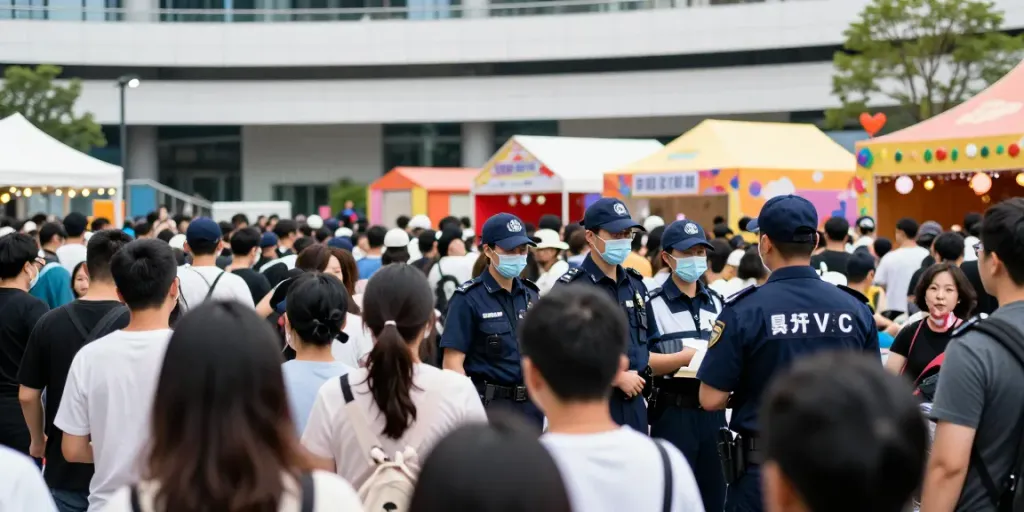
Understanding the Basics of Event Security
In a bustling city like London, events ranging from concerts to corporate gatherings are part of the vibrant urban experience. With the increase in public attendance at these events, the importance of Event Security cannot be overstated. It ensures not only safety but also the overall success of the event by creating a secure environment for attendees. This article will delve into the fundamental aspects of event security, common roles in the field, and why these services are critical for community safety.
What is Event Security?
Event security refers to the planning and execution of safety measures to ensure that events, regardless of size, go off without a hitch. It encompasses a range of activities from crowd control to emergency response, all designed to protect both attendees and the event's assets. Effective event security planning involves risk assessments and thorough preparation to manage potential threats, including theft, crowd surges, or other emergencies.
Common Roles in Event Security
- Security Personnel: Trained staff tasked with monitoring attendees, enforcing rules, and responding to incidents.
- Event Managers: Oversee the entire security operation, coordinating between different teams and stakeholders.
- Medical Personnel: Provide on-site medical assistance and manage health emergencies.
- Crowd Control Officers: Manage the flow of attendees, ensuring safe entry and exit points as well as maintaining a calm environment.
- Risk Assessment Consultants: Analyze potential risks involved with the event and suggest mitigative measures.
Why Event Security is Vital for Community Safety
Robust event security not only protects the immediate participants but also enhances public trust in community events. Attendees can engage more freely when they feel secure, promoting a sense of community. Additionally, well-executed security measures can deter potential threats, preventing incidents before they occur and safeguarding property and people.
How to Choose the Right Event Security Provider in London
Finding a reliable security provider is crucial for any event. It is essential to consider several factors when selecting a local security company. A knowledgeable provider leverages local insights and the latest technologies to ensure a tailored approach to each event's requirements.
Key Factors When Selecting a Local Security Company
- Experience: Look for a company with a proven track record in handling events similar to your own.
- Response Time: Ensure the provider has an effective incident response plan and can deploy personnel promptly.
- Licensing and Certifications: Verify that the security company is licensed by the UK Security Industry Authority (SIA) and adheres to local regulations.
- Insurance: Confirm that they are insured, which protects both parties in case of mishaps.
Checking Credentials and Accreditations
Accreditations from reputable organizations validate a security provider’s professionalism and reliability. Look for certifications such as SIA Approved Contractor status, which indicates adherence to industry standards and best practices.
Reading Customer Reviews for Insight
Customer feedback provides valuable insights into a security company's performance. Check online reviews and testimonials to gauge previous client satisfaction; positive feedback on response times and personnel professionalism can be a good indicator of reliable service.
Event Security Pricing and Cost Breakdown
Understanding costs will help you budget effectively for your event security needs. The price of hiring a security team can vary widely based on several factors, including the size of the event and the level of security required.
Average Costs for Event Security Services in London
On average, event security services in London can range from £12 to £25 per hour per guard. Special requirements, such as rapid response teams or advanced equipment, can increase overall costs significantly.
Factors Affecting Security Costs for Events
- Event Scale: Larger events generally require more personnel and resources.
- Duration: Longer events may incur higher total costs.
- Additional Services: Extras like surveillance cameras or medical teams will also affect the final price.
Budgeting for Unexpected Security Needs
Always plan for contingencies by setting aside 10-20% of your security budget for unexpected developments, such as last-minute staffing needs or additional equipment.
Licensing and Insurance Requirements for Event Security
Compliance with licensing and insurance regulations is pivotal in ensuring that your event is safeguarded by legitimate and qualified personnel.
Understanding SIA Licensing in the UK
All security personnel operating in the UK must hold a license from the SIA, which involves rigorous background checks and specific training requirements. This ensures that only qualified individuals are placed in security roles.
Why Insurance Matters for Event Security Providers
Insurance is a critical aspect of professional security services. Providers should carry liability insurance to protect against potential claims related to injuries or damages occurring during the event.
Compliance with Local Regulations and Standards
Familiarity with local regulations ensures that security operations run smoothly and within legal parameters. Event organizers should work closely with their security provider to ensure all aspects of security meet local standards.
Seasonal Tips for Event Security Planning in 2026
Planning for seasonal events entails understanding specific risks associated with each time of year. By preparing ahead, security teams can address potential issues effectively.
Preparing for Major Events: Safety First
For events like Bonfire Night or seasonal festivals, leveraging historical data on crowd behavior and incident reports from previous years can help security teams anticipate potential issues and plan accordingly.
Utilizing Weather Reports for Security Adjustments
Weather can significantly affect public events, from crowd size to safety risks. Continuous checking of forecasts allows teams to adjust security measures proactively, ensuring safety during adverse weather conditions.
Community Engagement: Involving Local Services in Planning
Working with local authorities and emergency services enhances event planning. For more information, Event Security offers valuable insights. Engaging local stakeholders helps in sharing insights, devising comprehensive security strategies, and establishing coordinated responses to potential emergencies.